FREQUENTLY ASKED QUESTIONS
FAQ
We have compiled the questions and concerns most often raised by our international customers about purchasing real estate in Kyoto. We are happy to answer questions beyond those listed here, so please feel free to get in touch.
General
Yes, there are no legal restrictions on buying real estate properties in Japan for foreigners. There is no need to have Japanese citizenship or permanent residency (Eijuken) to buy a house in Japan. However, owning a property in Japan does not entitle the purchaser to any special status such as a Permanent Resident Visa.
Yes. A virtual tour can be arranged.
No, you don't need to move to Japan and you are not required to have any residential registration in Japan to purchase a property in Japan.
About Purchase
It will take approximately 1 month to 1.5 months after delivering a letter of purchase intention to the Seller side. After reaching an agreement on all the conditions between buyers and sellers, it will take approximately 2 weeks to sign a contract, and the final deal can be closed within 2 weeks to a month.
Payment can be made by cash or bank transfer. If you do not hold a bank account in Japan, we can introduce a designated deposit account on our side, depending on the terms of the contract.
In most cases, housing loans are only available to people with permanent residency or Japanese citizenship, which means the purchase needs to be made in cash for buyers from overseas.
Opening a Japanese bank account is not easy for overseas customers who do not reside in Japan, and the requirements differ from one financial institution to another. Even if you do not have an account, we will guide you through the procedures necessary to purchase a property.
About Properties
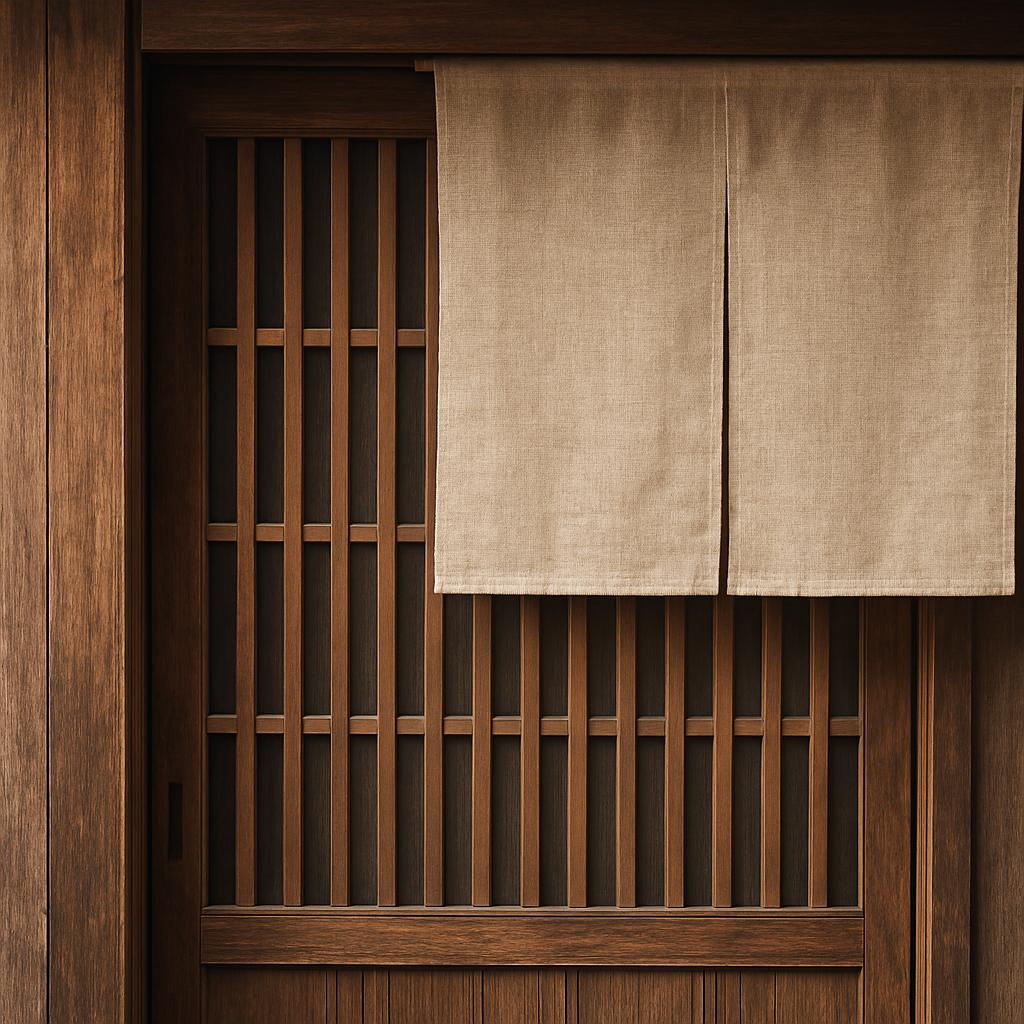
A machiya is a traditional wooden building found in Kyoto and throughout Japan. They developed as merchant houses and combined home-and-workplace residences, and are characterised by their long, narrow layouts and latticed wooden front doors.
Traditional Japanese houses are built primarily of wood. Spaces can be divided flexibly with shoji and fusuma sliding panels, so room sizes can be changed to suit how each space is used.
Tatami is a traditional Japanese flooring material used in washitsu (Japanese-style rooms). It is prized for the natural fragrance and soft underfoot feel that only natural materials provide.
Whether a property can be operated as lodging depends on the regulations and zoning that apply to each individual property. If you are considering operating one, please feel free to consult us.
Renovation costs vary considerably depending on the property's condition, size and the scope of work. We can provide an estimated cost on request.
The earthquake resistance of a traditional machiya varies considerably with its construction period and renovation history. When considering a purchase, we recommend arranging a professional building survey or seismic diagnosis as needed.
Still have a question?
Our team responds in English and will walk you through every step of buying in Kyoto.